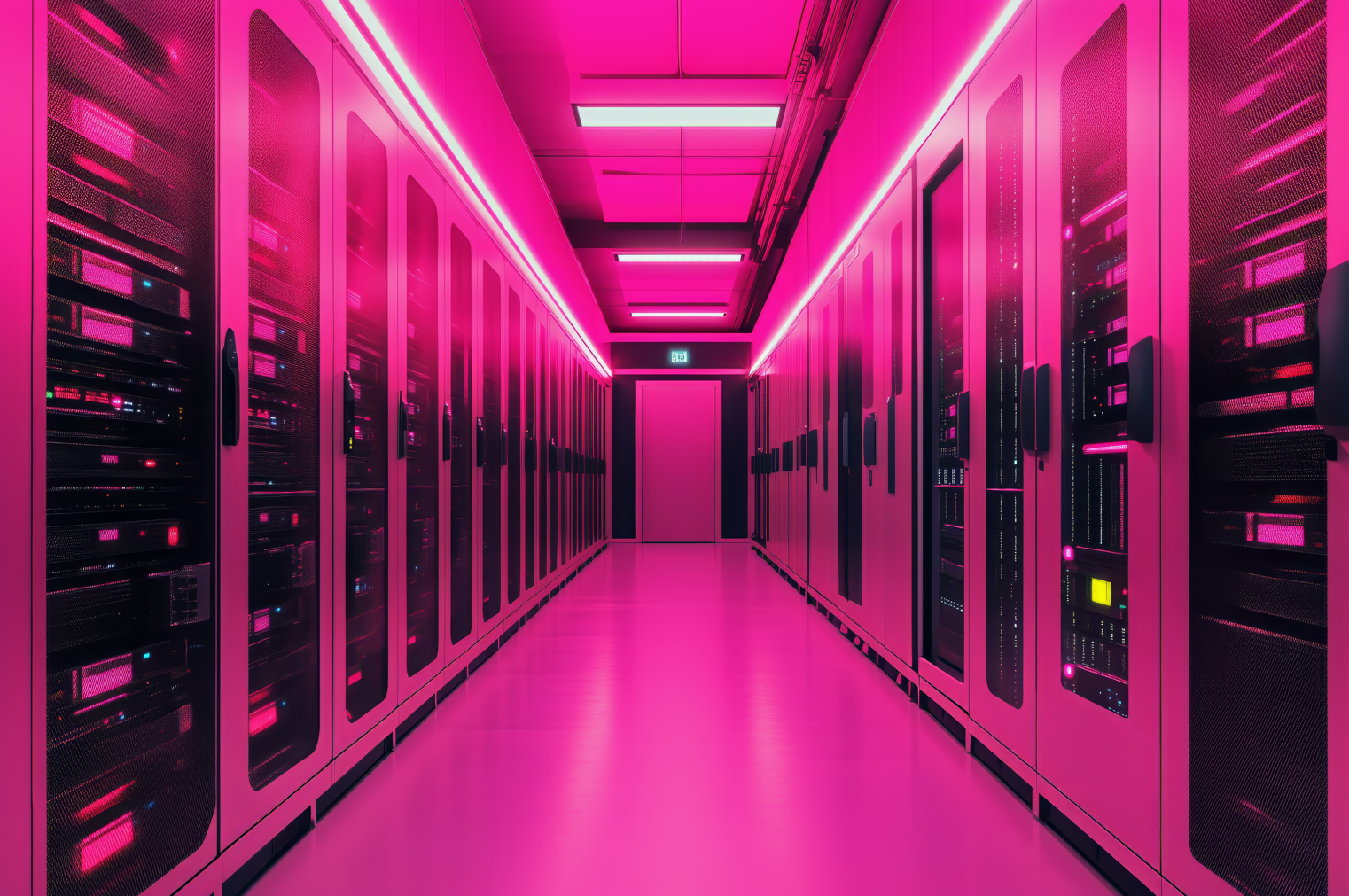
Does your community host an AI data center? Image: Oleg Gapeenko, Vecteezy.
By Mariana Meneses
AI is turning data centers from largely invisible digital infrastructure into a visible political, environmental, and economic issue. The rapid expansion of AI-driven large language models like ChatGPT is increasing demand for resources, with negative consequences that are often concentrated in local communities. Moreover, the environmental footprint of AI remains difficult to measure precisely, and public opposition is growing while governments are beginning to take different approaches to regulate the infrastructure behind AI.
Opposition to local construction of data centers in the US
The Guardian recently reported on the growing anti-datacenter sentiment across the political spectrum in the US. More than a dozen states have considered moratoria on new data centers, and New York recently became the first state to enact a temporary ban. At the federal level, Senator Bernie Sanders and Representative Alexandria Ocasio-Cortez have proposed a national moratorium, while concerns include water consumption, toxic contamination, the broader social effects of AI technologies, and the possibility that rising electricity demand from data centers could increase utility bills.
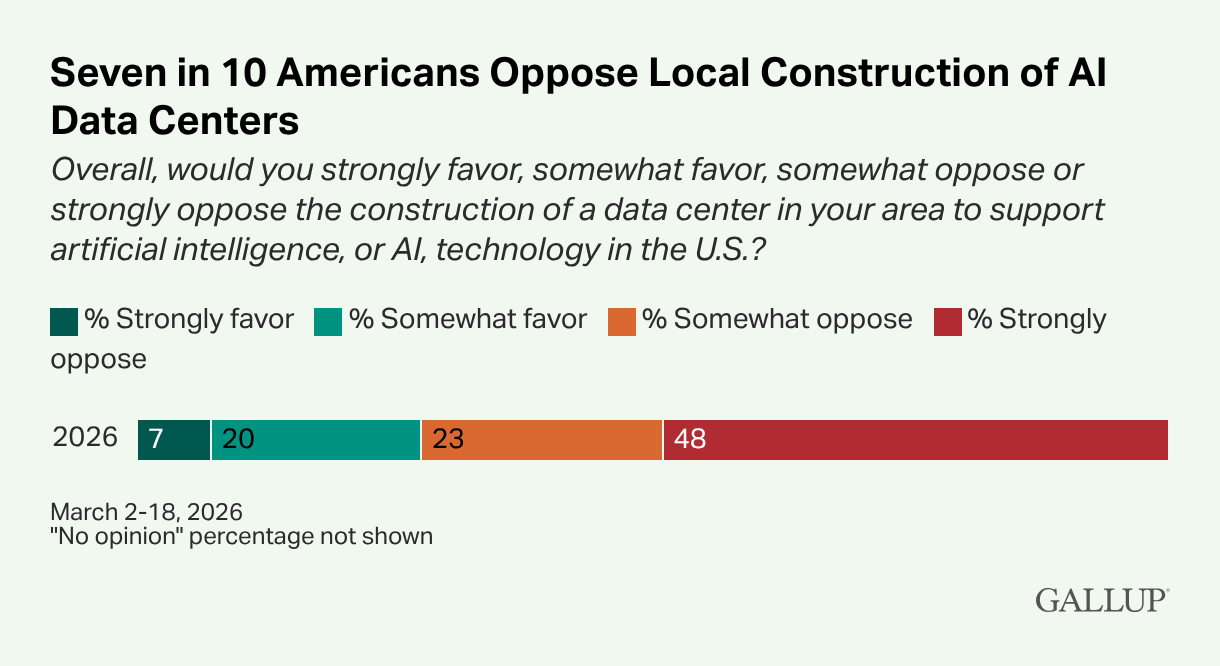
“Seven in 10 Americans Oppose Local Construction of AI Data Centers”. Gallup.
The polling data comes from the Gallup survey conducted between March 2-18, 2026, the first time Gallup asked Americans about data center construction. Seventy-one percent said they opposed building an AI data center in their area, compared with 53% who opposed a nuclear power plant nearby. Gallup notes that opposition to local nuclear plants has never exceeded 63% since the polling organization began asking that question in 2001. The March survey also asked about concern over the environmental impact of AI data centers: 46% said they worried a great deal and 24% a fair amount, closely mirroring the level of opposition to construction.
The organization explored the reasons behind these views in a separate April web survey using the Gallup Panel, which recruits panel members via e-mail using scientific sampling methods. Among opponents, half mentioned excessive resource use, including water use and energy use, and others mentioned pollution, including noise, air, or water pollution. About one in five pointed to effects on local quality of life, such as increased traffic, population growth, or preferences for other uses of the land, while a similar share cited possible negative economic effects, including higher utility bills, increased living costs, or taxpayer-funded construction costs. Much of the remaining opposition reflected broader or specific concerns about AI. Among those who favored a nearby data center, two-thirds cited economic benefits, including job opportunities, increased tax revenue, and others such as housing, infrastructure development, or general economic gains.
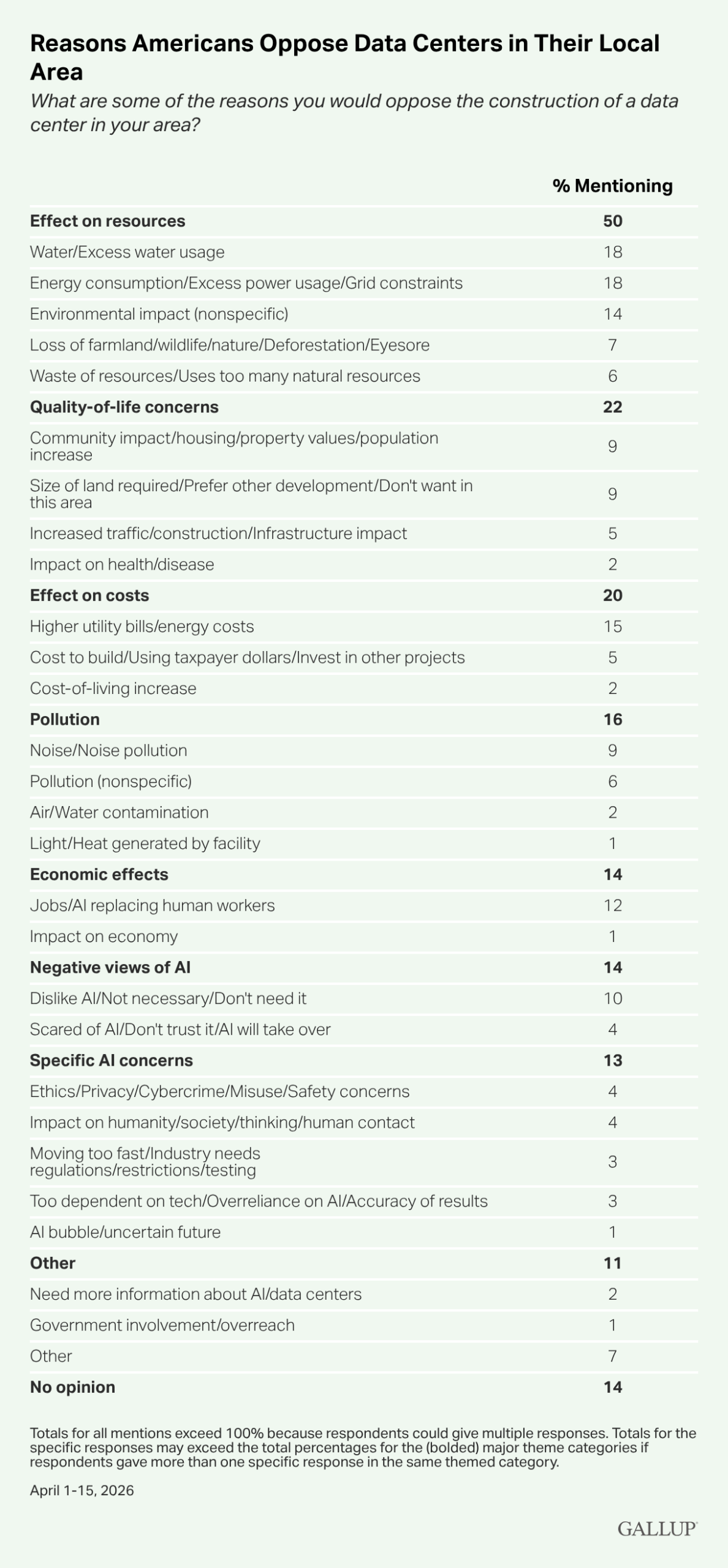
“Reasons Americans Oppose Data Centers in Their Local Area. Gallup.
The US hosts the most AI data centers in the world
The 2026 Artificial Intelligence Index Report, by the Stanford Institute for Human-Centered Artificial Intelligence (HAI), shows that the US hosts the most AI data centers, with over five thousand facilities, which is 10 times more than any other country, with the highest energy consumption associated with them.
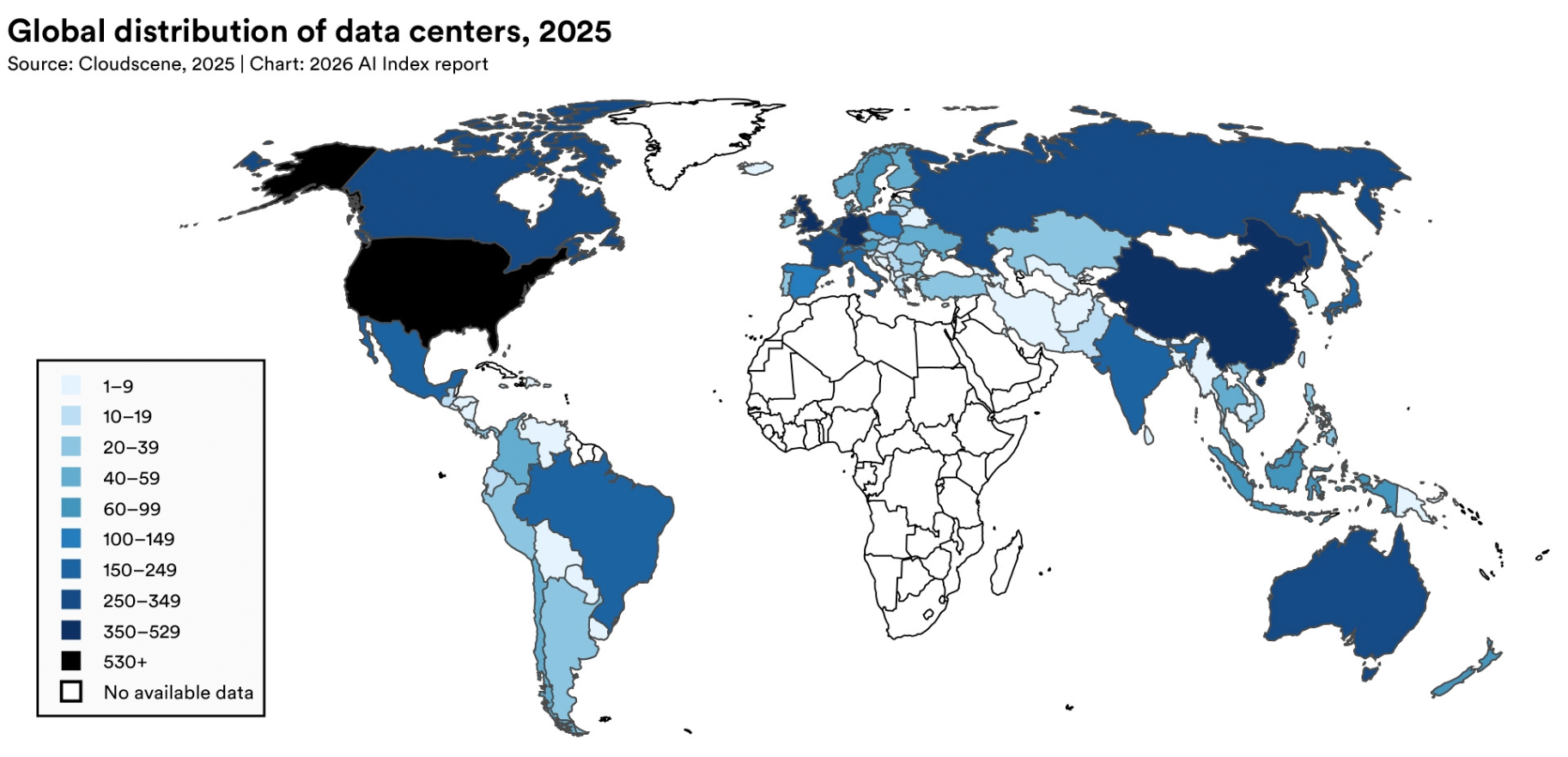
“Global distribution of data centers, 2025.” Stanford Institute for Human-Centered Artificial Intelligence (HAI).
The report shows that AI data center power capacity reached 29.6 GW, comparable to the amount used by everyone in New York State at peak electricity demand in a year. The estimated emissions from training xAI’s Grok 4 large language model reached 72,816 tons of CO₂ equivalent, and annual water use from OpenAI’s GPT-4o usage alone may exceed the drinking-water needs of 1.2 million people.
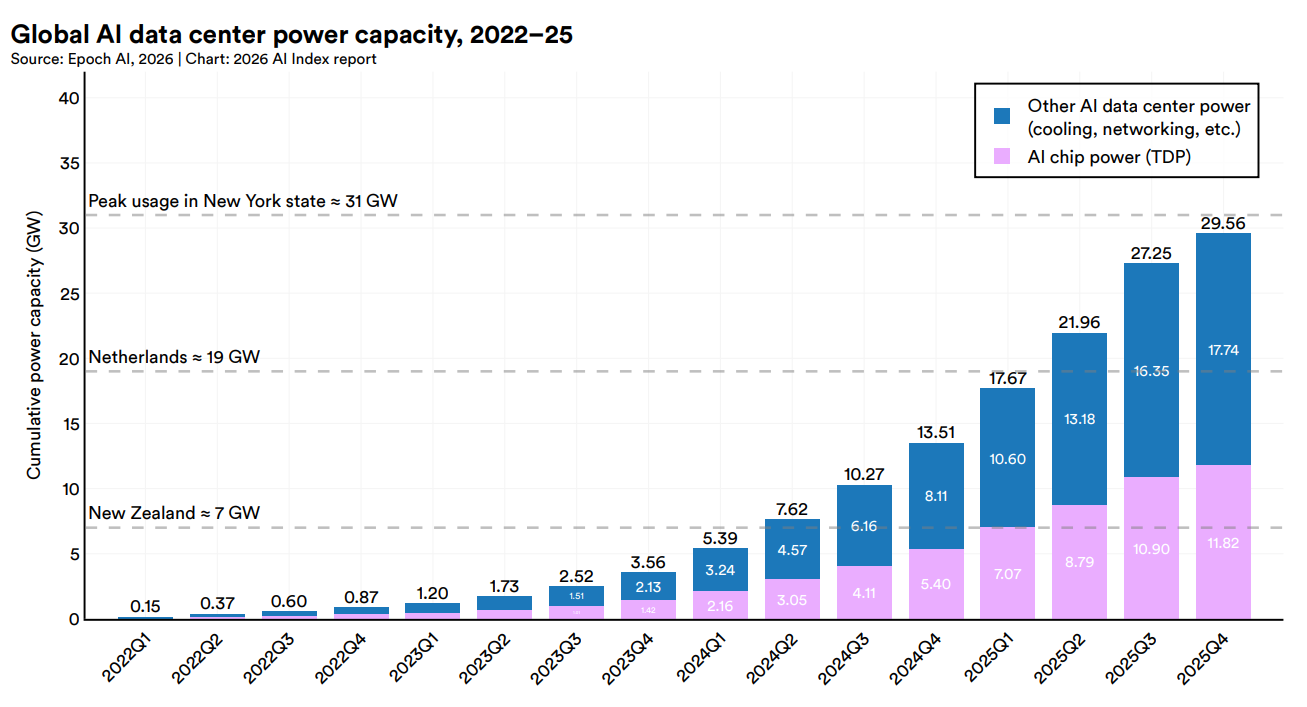
“Global AI data center power capacity.” Stanford Institute for Human-Centered Artificial Intelligence (HAI)
The report also finds substantial differences between AI experts and the public in how they assess the technology’s future. Seventy-three percent of experts expect AI to have a positive impact on how people do their jobs, compared with 23% of the public, a 50-point gap, with similar divides over AI’s effects on the economy and medical care. Trust in institutions to govern AI is also fragmented. Among the countries surveyed, the United States recorded the lowest level of trust in its own government to regulate AI, at 31%. Globally, the European Union is trusted more than either the United States or China to regulate AI effectively.
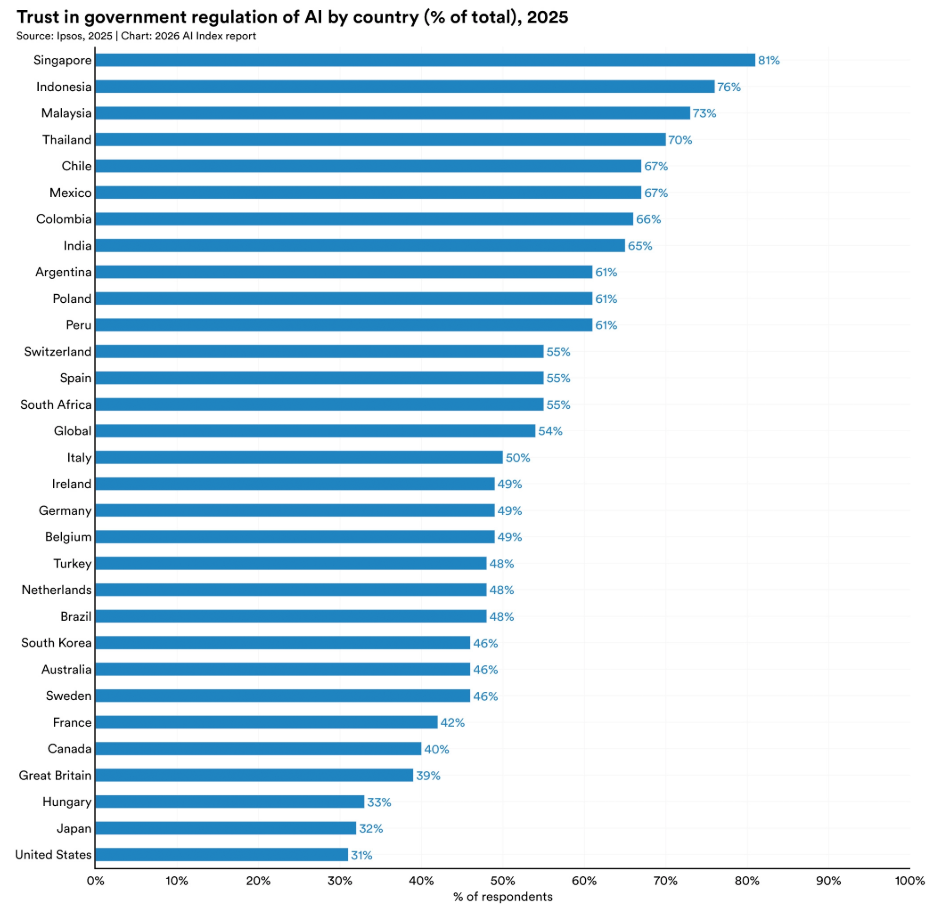
“Trust in government regulation of AI by country.” Stanford Institute for Human-Centered Artificial Intelligence (HAI)
A global problem with highly local consequences
According to Our World in Data, although data centers account for about 1.5% of global electricity use, their electricity demand is highly geographically concentrated, meaning that a relatively small number of grids serve much of that demand.
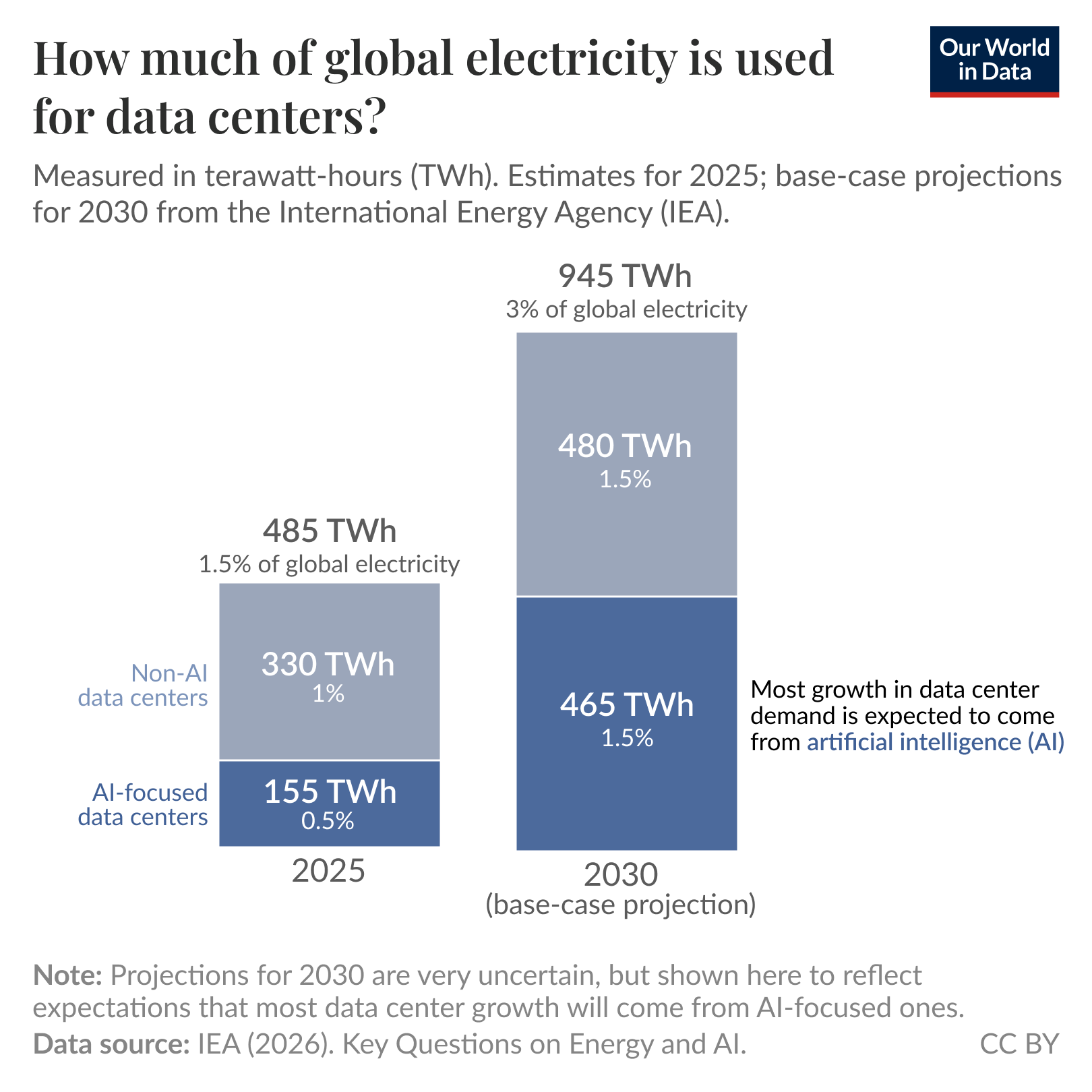
“How much of global electricity is used for data centers?” Our World in Data.
Our World in Data shows that, in Europe, data centers account for about 1.6% of electricity consumption overall, but in Ireland the share is more than 20%. In the United States, the national figure is about 5%, while in some states data centers account for more than 10% of electricity demand; in Virginia, the share is more than one-quarter. Our World in Data notes that, combined with the rapid growth of AI, this concentration could place pressure on local electricity grids even if data center demand is not overwhelming at the global level.
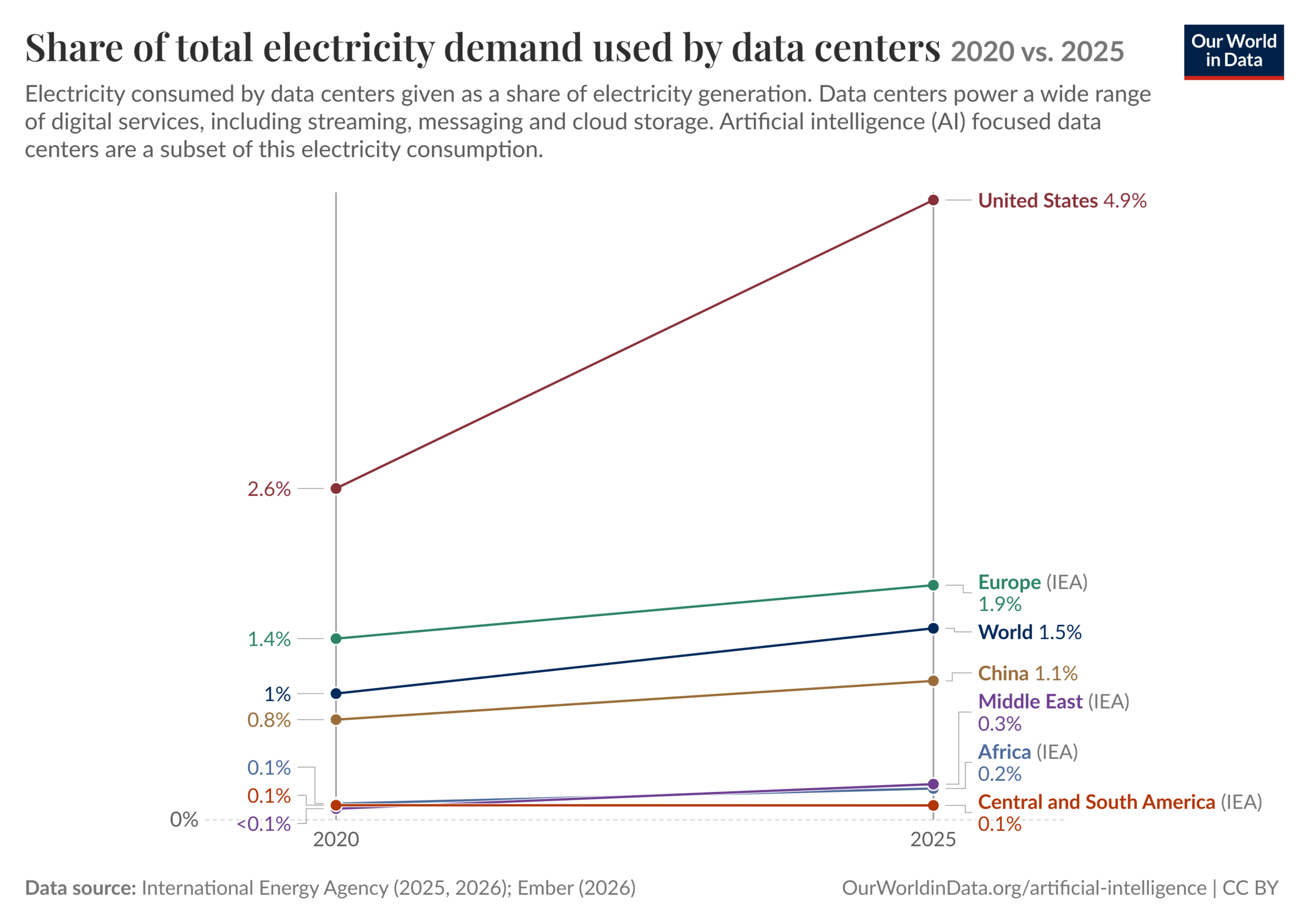
“Share of total electricity demand used by data centers.” Our World in Data.
How much carbon and water does AI actually use?
Our World in Data notes that accurate and up-to-date estimates of the electricity consumed by individual AI queries are difficult to find, because most technology companies have not released detailed analyses of their models’ energy consumption. In 2025, Google released estimates for its Gemini large language model showing that a median text-based query consumed around 0.24 watt-hours (Wh) of electricity, roughly the amount that a microwave uses in less than one second or a television in ten seconds. Our World in Data refers to the IEA’s 2026 report which estimates that a standard request to an AI agent consumes around 1.1 Wh, while an agentic request involving reasoning consumes around 50 Wh, similar to estimates for maximum-length text queries.
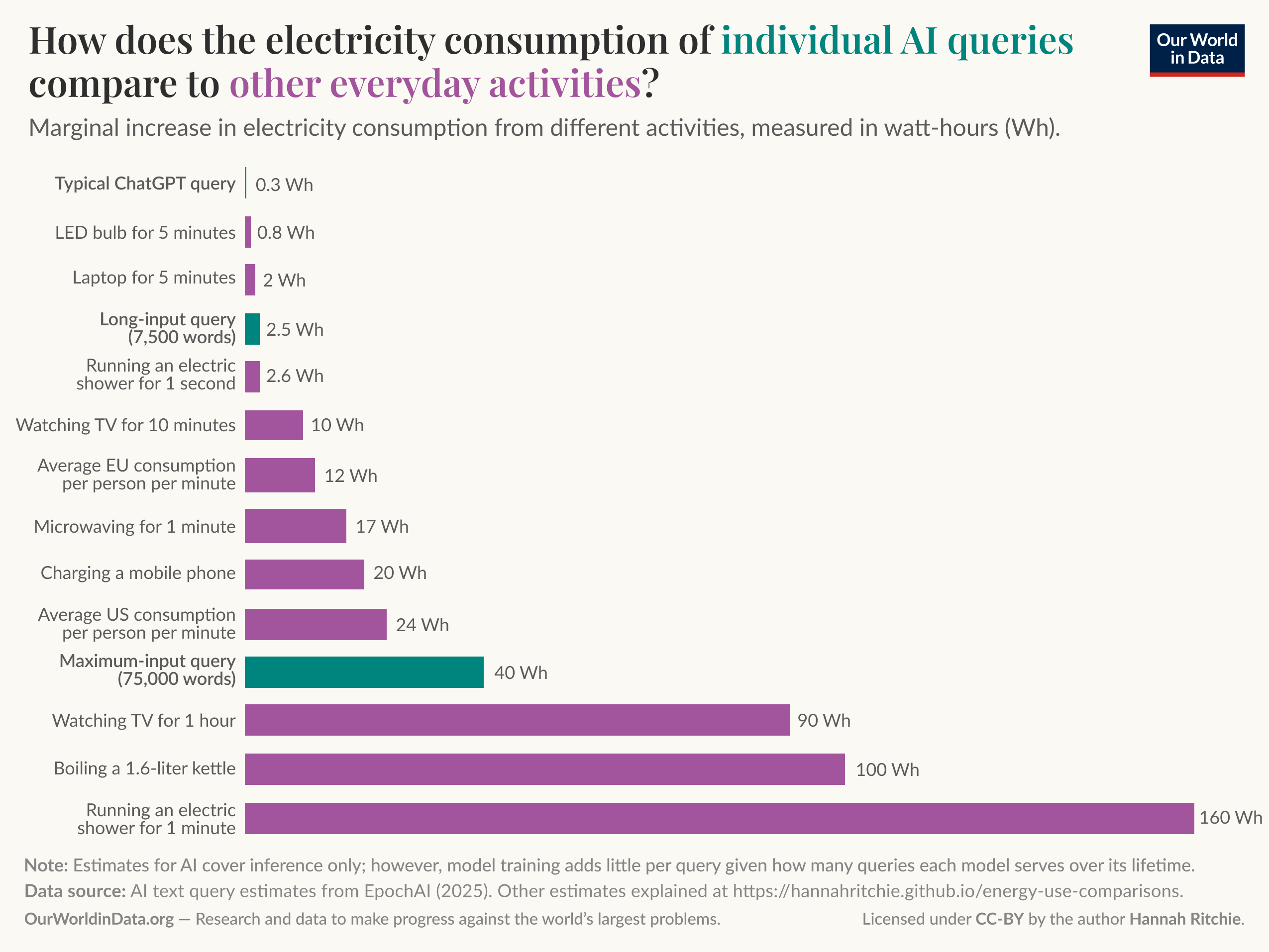
“How does the electricity consumption of individual AI queries compare to other everyday activities?” Our World in Data.
Our World in Data adds that these figures are still relatively small compared with average daily electricity consumption, especially in high-income countries. In the European Union, average electricity consumption is around 17,000 Wh per person per day, equivalent to about 6,800 long-input queries consuming 2.5 Wh each, or 425 maximum-input queries. Average electricity consumption per person in the United States is approximately twice the EU average, so the contribution of AI queries to a person’s electricity footprint there is about half as large.
“For those worried about the climate impacts of data centers and AI, how that electricity is generated arguably matters more than how much it uses.” — Our World in Data.
Energy generation for data centers is on the rise.
According to the International Energy Agency (IEA), electricity generation supplying data centers is projected to rise from 460 TWh in 2024 to more than 1,000 TWh in 2030 and 1,300 TWh in 2035 in its Base Case (i.e., most likely scenario). Today, coal is the largest source, providing about 30% of the electricity consumed by data centers globally, followed by renewables at 27%, natural gas at 26%, and nuclear at 15%. The IEA’s analysis refers to the electricity physically consumed by data centers, based on the generation mix of the grids and onsite sources that supply them, rather than the contractual energy portfolios reported by operators. Renewables are projected to be the fastest-growing source, increasing at an average annual rate of 22% between 2024 and 2030 and supplying nearly half of the additionalelectricity demand over that period.
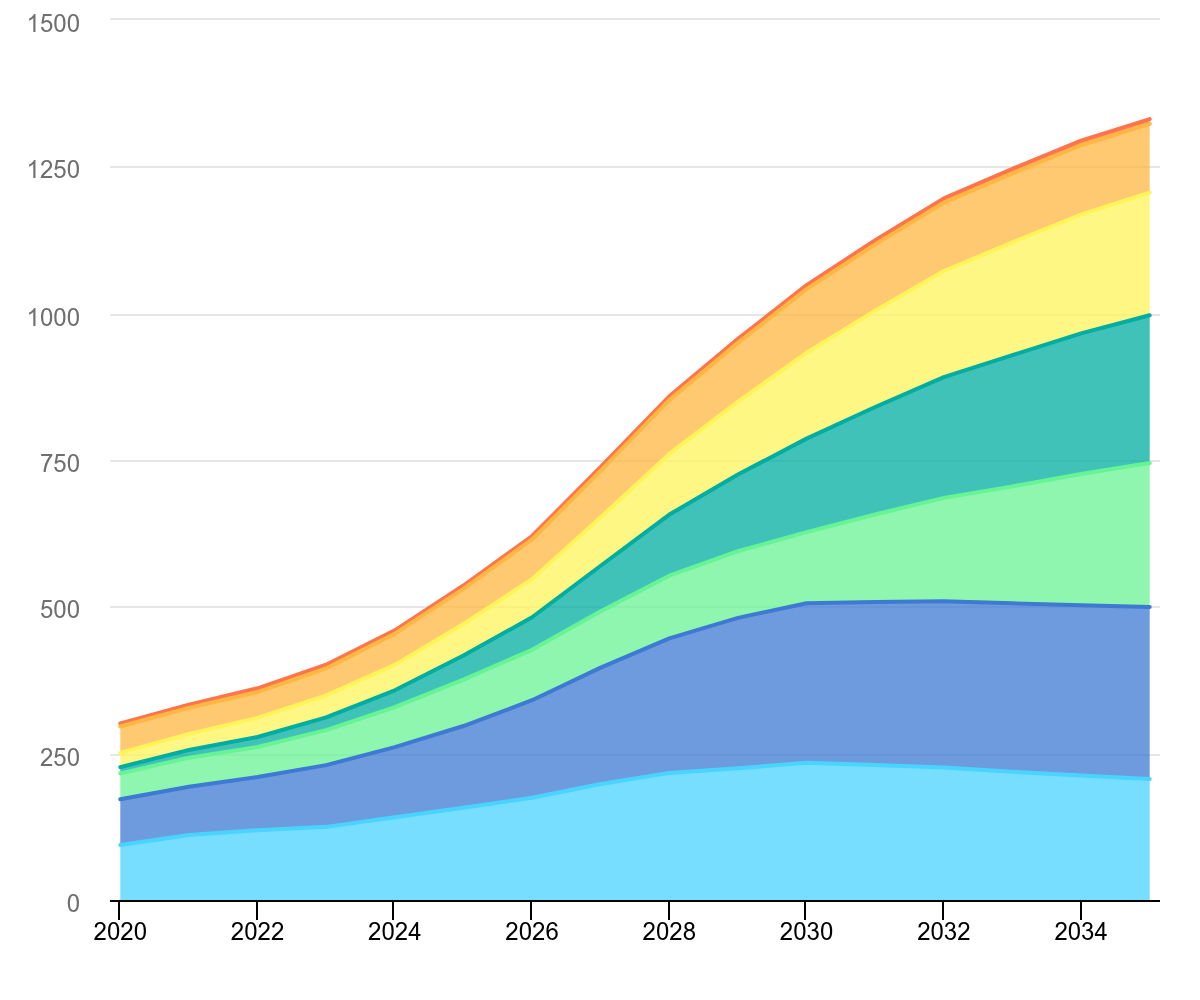
Sources of global electricity generation for data centers, Base Case, 2020-2035. In light blue, coal, in dark blue, natural gas, in light green, nuclear, in dark green, solar PV, in yellow, wind, in light orange, other renewables, and in dark orange, other. International Energy Agency (IEA)
Even with that renewable growth, the IEA projects that natural gas and coal together will supply more than 40% of the additional electricity demand from data centers through 2030, caused by both increased use of existing plants and new generation. Nuclear power is expected to become more important later in the decade, with small modular reactors (SMRs) entering the mix after 2030.
Combined growth in renewables and nuclear is projected to reduce coal-fired generation for data centers by 2035. As a result, CO₂ emissions from electricity generation for data centers are expected to peak at about 320 million tons in 2030 and then decline slightly to around 300 million tons in 2035. Despite rapid growth, data centers are projected to rise from about 1% of global electricity generation today to 3% in 2030, while accounting for less than 1% of total global CO₂ emissions.
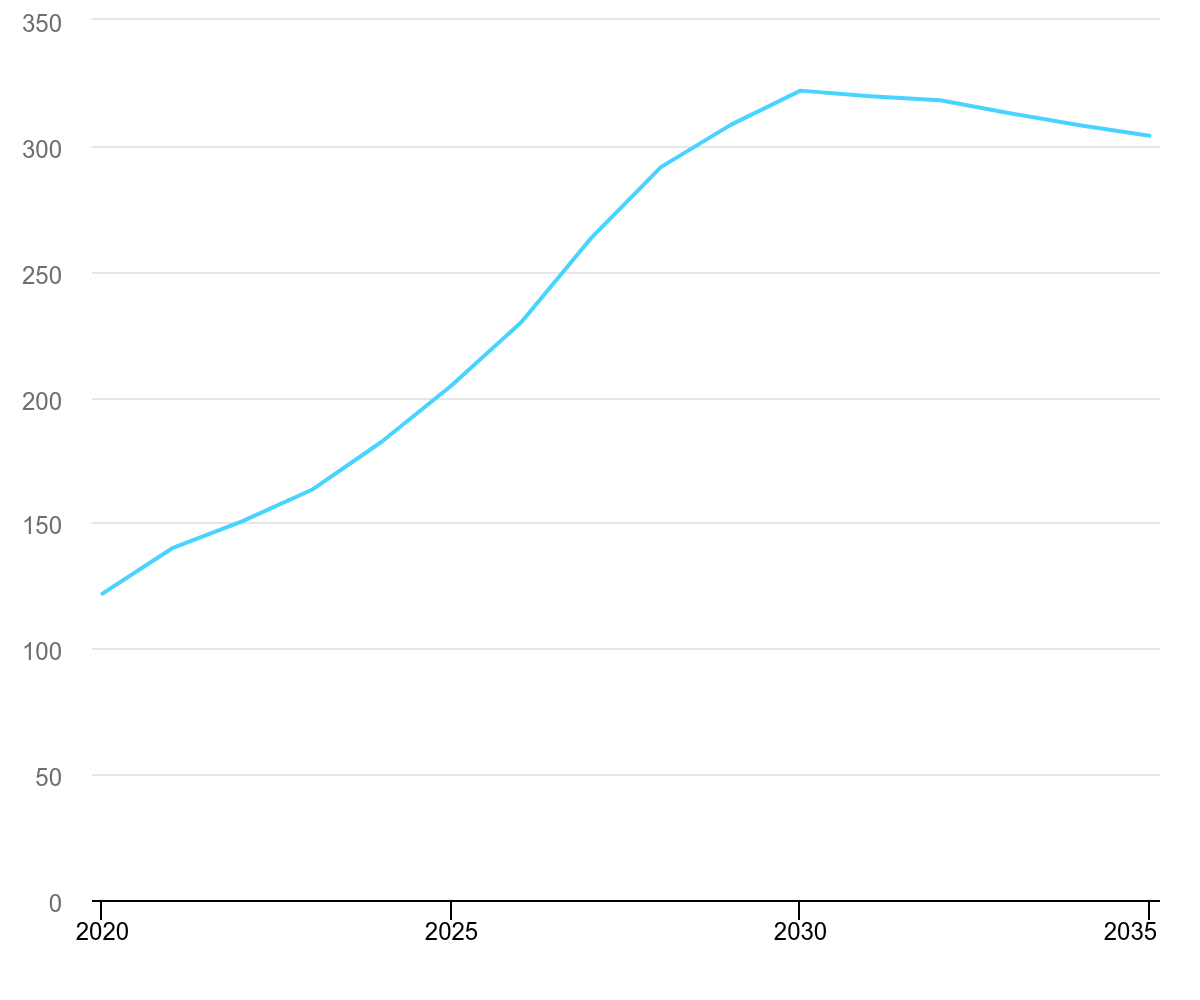
“Global data center CO2 emissions, Base Case, 2020-2035”. International Energy Agency (IEA)
Private estimates may not be reliable.
A recent study shows why translating these electricity figures into an environmental footprint for AI remains difficult.
In the peer-reviewed scientific article “The carbon and water footprints of data centers and what this could mean for artificial intelligence”, published in the journal Patterns in January 2026, Alex de Vries-Gao, who is a PhD candidate at the VU Amsterdam Institute for Environmental Studies, argues that AI’s environmental footprint still cannot be measured directly because technology companies generally do not distinguish AI workloads from other computing in their environmental reporting, and many do not provide complete data center-level information.
The author explains that researchers therefore have to estimate AI impacts from broader data center performance. The article cites estimates that AI accounted for about 15–20% of data center power demand in 2024, with AI-system power demand potentially rising from 9.4 GW at the end of 2024 to 23 GW by the end of 2025. Using the IEA’s average data center carbon intensity of about 396 gCO₂/kWh as an approximation, de Vries-Gao estimates that AI systems could have produced 32.6–79.7 million tons of CO₂ in 2025. The author stresses that this is not a direct measurement: the carbon intensity of the US grids examined in the study ranged substantially depending on location.
Water use is even more uncertain. The paper distinguishes direct water consumption, mainly for cooling data centers, from indirect water consumption, which occurs when water is used to generate the electricity they consume. The IEA estimated total data center water consumption at 560 billion liters in 2023, including 140 billion liters directly and 373 billion liters through electricity generation, plus 47 billion liters in hardware manufacturing. De Vries-Gao finds the direct-use estimate broadly plausible but argues that the IEA may substantially underestimate indirect water consumption: its figures imply about 1.04 L/kWh, compared with roughly 3.6–3.9 L/kWh in Meta’s reported data, 3.40 L/kWh across selected US facilities operated by Apple, Meta, and Google, and 4.52 L/kWh in a Lawrence Berkeley National Laboratory estimate for US data centers.
Applying the paper’s estimate to projected AI electricity demand gives a possible 2025 AI water footprint of 312.5 to 764.6 billion liters, but the author again emphasizes large uncertainty because local grid water intensities vary widely. The paper’s central conclusion is therefore that more reliable estimates would require companies to disclose where AI systems operate, the scale of those operations, and location-specific electricity, carbon, and water-use data.
Market growth spurs infrastructure expansion.
Even as its environmental footprint remains difficult to quantify, the infrastructure supporting AI is projected to expand rapidly.
According to Marketsandmarkets, the global AI data center market size is projected to grow from USD 471.59 billion in 2026 to USD 2,023.52 billion by 2032. Growth is driven by rising adoption of generative AI, machine learning, and large language models across industries, as well as by increasing demand for high-performance computing infrastructure, GPU-based servers, and advanced cooling technologies to support large-scale AI training and inference workloads.
In an opinion article entitled “The future of data centers”, Nicol Turner Lee, director of the Center for Technology Innovation (CTI) at Brookings Institution, and Darrell M. West, senior fellow in Governance Studies, describe data centers as essential physical infrastructure for AI, providing the computing, storage, and networking capacity needed to train and operate large language models and other machine-learning systems.
Lee and West explain that the expansion of AI-oriented facilities and hyperscale centers containing thousands of servers is bringing substantial resource demands. For instance, some US data centers use as much as 500,000 gallons of water per day for cooling. The authors discuss more efficient processors, microfluidic and closed-loop cooling, renewable generation, nuclear power, grid expansion, and argue for greater transparency over energy and water use as possible responses.
The authors also emphasize that expanding data center capacity depends on more than electricity and water. For instance, data centers require large quantities of copper, steel, aluminum, semiconductors, fiber optics, electronics, and critical minerals, while supply chains remain constrained by several factors, including limited domestic sources and international relations.
Lee and West argue that large technology companies should bear a greater share of the infrastructure costs rather than shifting them onto ordinary electricity customers, while noting that permanent employment may be modest compared with construction activity: a large center may employ around 1,500 workers during construction but only about 100 once operational. Thus, the authors frame data center expansion as a question of infrastructure governance.
Around 11,800 data centers are estimated to operate worldwide, with roughly two-thirds located in the United States, China, or Europe, leaving much of Africa, Latin America, India, and other parts of the Global South with far less infrastructure. This geographic concentration could deepen existing digital inequalities but, at the same time, site decisions raise local concerns about water use, noise, light pollution, environmental risks, and public safety, as well as broader issues involving national security, cybersecurity, semiconductor supply chains, and international competition.
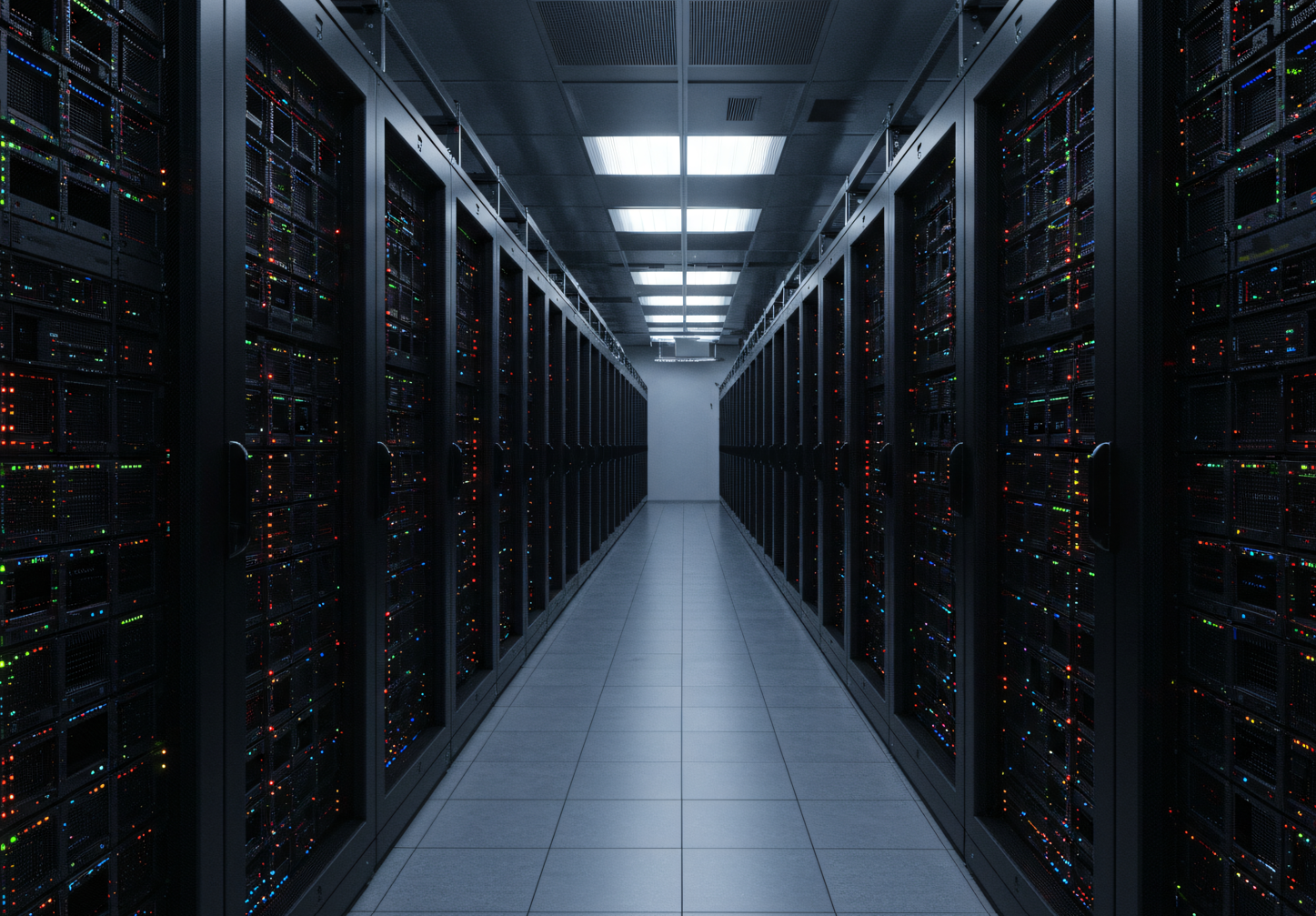
How much of a problem are we creating? Heri Manalu, Vecteezy.
Governments are choosing different paths
Governments are beginning to respond differently to the expansion of data center infrastructure. Australia is preparing national rules intended to limit the effects of new facilities, while Brazil has approved tax incentives aimed at reducing the cost of data center infrastructure.
In August, The Guardian reported that “Australia may face a rush of data center construction,” as companies try to avoid the costs of upcoming legislation. Under Australia’s new proposed framework, new data centers would be required to bring enough renewable generation onto the grid to cover their electricity demand, pay their own grid-connection costs, minimize water use, and meet requirements concerning their size and location, including avoiding homes, schools, potential housing sites, and agricultural land. The rules would not apply retroactively, however, so projects approved before the legislation takes effect would remain subject to existing state or territory requirements. This has prompted concerns that developers could seek approval before the new standards apply, as well as calls for a temporary moratorium.
The timing matters because the Australian Energy Market Operator has reported 225 data centers in development, with their electricity demand projected to rise from 5 TWh to 34 TWh by 2036. How many will actually proceed remains uncertain: more than 40% of projects included since AEMO’s 2025 report have either disappeared from the pipeline or moved backward in status.
One proposal, Project Mars, would build a 90 MW, 22,000 m² data center about 9 km from Sydney’s central business district. Under current plans, it would use existing electricity infrastructure and as much as 3.5 megaliters of water per day, while including 200 kW of solar panels and exploring additional renewable generation. The project has faced local opposition in an area where five other data centers have already been approved or proposed.
In another direction, Brazil has recently moved to reduce the cost of data center development through Redata, a five-year tax incentive program approved by the Senate for electronic components and technology equipment used in these facilities. According to Valor International, industry association Brasscom said the measure would remove much of a structural disadvantage that had made investment in Brazil up to 30% more expensive than the international average. Companies building data centers in the country estimate that Brazil could attract about R$3.5 trillion in investment by 2030, equivalent to 10% of the global investment they project for the sector over the next four years. For large technology companies such as Amazon, Microsoft, and Google, which use standardized equipment across their data centers, the incentives reduce the cost of importing the computing infrastructure used in AI projects.
“Companies building data centers in Brazil estimate that the country could attract about R$3.5 trillion [roughly 680 billion US dollars] in investment in the facilities by 2030, equivalent to 10% of the R$34.5 trillion in global investment projected for the sector over the next four years, according to consulting firm McKinsey.” – Valor International
The unresolved infrastructure question behind AI.
Lee and West’s conclusion is that continued AI growth will require coordinated policy across energy and water supply, grid investment, critical minerals, workforce development, permitting, financing, community benefits, national security, and geographic distribution, with attention to how the costs, risks, infrastructure demands, and economic benefits of data centers are distributed.
Data centers, at the global level, still account for a relatively small share of electricity generation and emissions, but their demands are highly concentrated in particular regions and electricity grids. At the same time, estimates of AI-specific carbon and water use remain uncertain because companies often do not disclose where AI workloads operate or how much electricity and water they consume. This makes it difficult to distinguish measured impacts from estimates, even as new facilities continue to be planned and built.
As AI infrastructure expands, attention is shifting to the conditions under which data centers are built — where they are located, how they are powered and cooled, who bears the infrastructure costs, what benefits reach surrounding communities, and how transparently their environmental impacts are measured.
Craving more information? Check out these recommended TQR articles.
- Synthetic Data: Filling Gaps While Creating New Uncertainties
- Youth Activists Call for Online Data Regulations
- ‘Human Fracking’: How Tech Turns Our Attention Into a Commodity
- The Algorithmic Governance Challenge: Inside the Battle Over Social Media Algorithms
- The AI Education Gap: Students Are Adopting, While Schools Are Adapting
Enjoyed this? Help us improve.
Have we made any errors?
Spotted an error or want to contribute your expertise? We’d love to hear from you — reach us at info@thequantumrecord.com. The Quantum Record exists to bring researchers and curious minds together around science and technology that matters.