
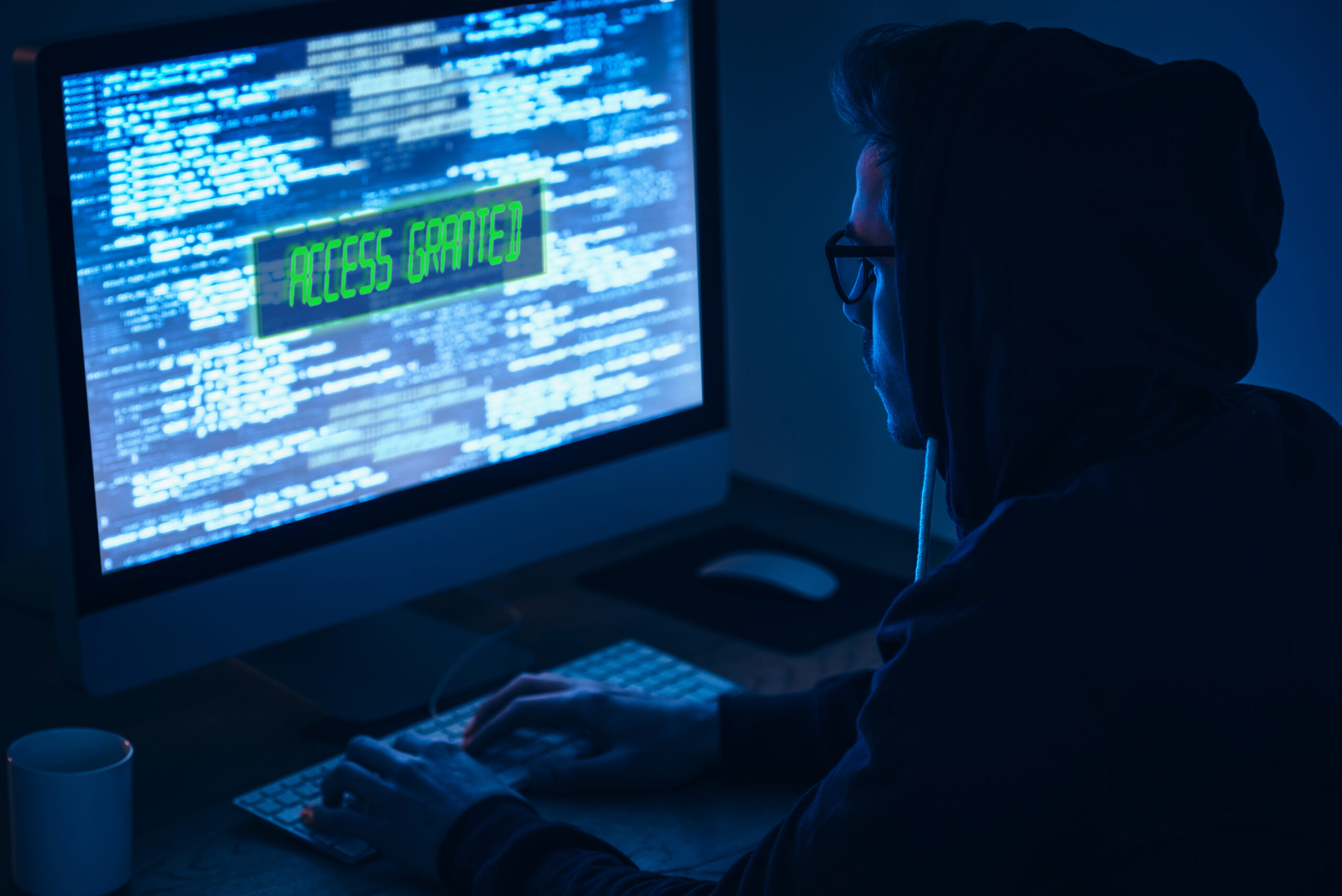
Are your passwords safe enough? Image: Denys Golub, Vecteezy.
By Mariana Meneses
As recently reported by BBC News, the wave of cyberattacks that has targeted internet-connected refrigeration systems across Europe affected supermarkets in Belgium, Luxembourg, France, Sweden, Ireland, the Netherlands, Estonia, and Finland, as well as several French blood banks. Hackers remotely raised refrigeration temperatures to as high as 50°C, forcing retailers to discard large quantities of food. The attacks exploited known security weaknesses in industrial refrigeration controllers, including default passwords that operators had failed to change. Although some cybersecurity companies suggested links to Russian or Iranian groups, responsibility remains unconfirmed.
This month, The Guardian reported on these and other major cyberattacks in different countries, including a $6.3 billion cryptocurrency theft and a fake nuclear strike alert sent through Ukraine’s emergency warning system. They note that the attacks raised concerns about the growing influence of artificial intelligence and geopolitical conflicts on cybersecurity. According to the UK’s National Cyber Security Centre (NCSC), AI is making it easier to identify software vulnerabilities and could contribute to a substantial increase in cyberattacks against critical infrastructure.
The BBC notes that experts warned that these incidents expose broader vulnerabilities in internet-connected infrastructure, particularly systems running outdated software. There is no indication that AI was used in the refrigeration attacks, but specialists cautioned that AI could accelerate the discovery and exploitation of existing vulnerabilities, potentially enabling larger and more disruptive campaigns.
According to The Guardian, experts emphasized that some recent attacks exploited already-known security weaknesses, while the rapid growth in vulnerabilities discovered with AI has not yet translated into a comparable increase in successful breaches. Both reports by The Guardian and BBC highlighted the risks associated with internet-connected devices running outdated software and emphasized that AI could strengthen cybersecurity defenses, while recommending software updates, stronger passwords, and restricted network access to protect critical systems.
In October, Reuters reported on a Chinese-speaking hacker who used autonomous AI agents to compromise more than 100 websites, including those associated with major companies such as Deere, SharkNinja, and Cummins. According to cybersecurity researcher Snorre Fagerland, the hacker provided fewer than 100 Chinese characters of instructions, leaving the AI agents to independently identify vulnerabilities and carry out attacks against more than 1,200 websites. The operation reportedly cost approximately $5,000, or $50 per successful intrusion, and relied on AI tools including DeepSeek and Claude Code.
Although the extent of data theft remains unclear, the case illustrates how commercially available AI agents can conduct complex cyberattacks with minimal human supervision, potentially lowering the cost and effort required to carry out large-scale hacking campaigns.
The Quantum Feedback Loop Podcast recently interviewed Dr. Joanna Santos, Assistant Professor of Computer Science and Engineering at the University of Notre Dame who won a 2024 Google research award for using large language models to develop cyber security tests. Dr. Santos explained that many security weaknesses originate in fundamental software design decisions, including inadequate input validation, improper access controls, and the use of compromised third-party components. She also highlighted that attackers have always used the same tools as defenders, from static analyzers to fuzzers, and that AI raises the stakes without changing the game: “It’s a tug of war… who finds it first and who patches it first.”
Santos also warns that AI is creating new vulnerabilities, not just finding them. A 2022 study by her team found that insecure code in AI models’ training data showed up in what the models generated, and she noted that LLMs “can and will generate vulnerabilities.” Moreover, other researchers have found that developers using AI assistants tend to trust that code’s security more than those who don’t use them.
The models themselves are a new target too. Santos’ group has shown that, depending on how a model file is stored, attackers can hide malicious code inside it that runs the moment the model is loaded, without changing how the model behaves. With AI agents now running attacks with little human supervision, she argues that whether AI makes these problems worse “depends on the human behind the wheel.” Her biggest worry for the next few years is AI-written systems turning into black boxes that nobody fully understands or can verify. Santos advises programmers not to reject the technology but to keep people with strong fundamentals in charge, treating AI as “an assistant instead of an oracle.”
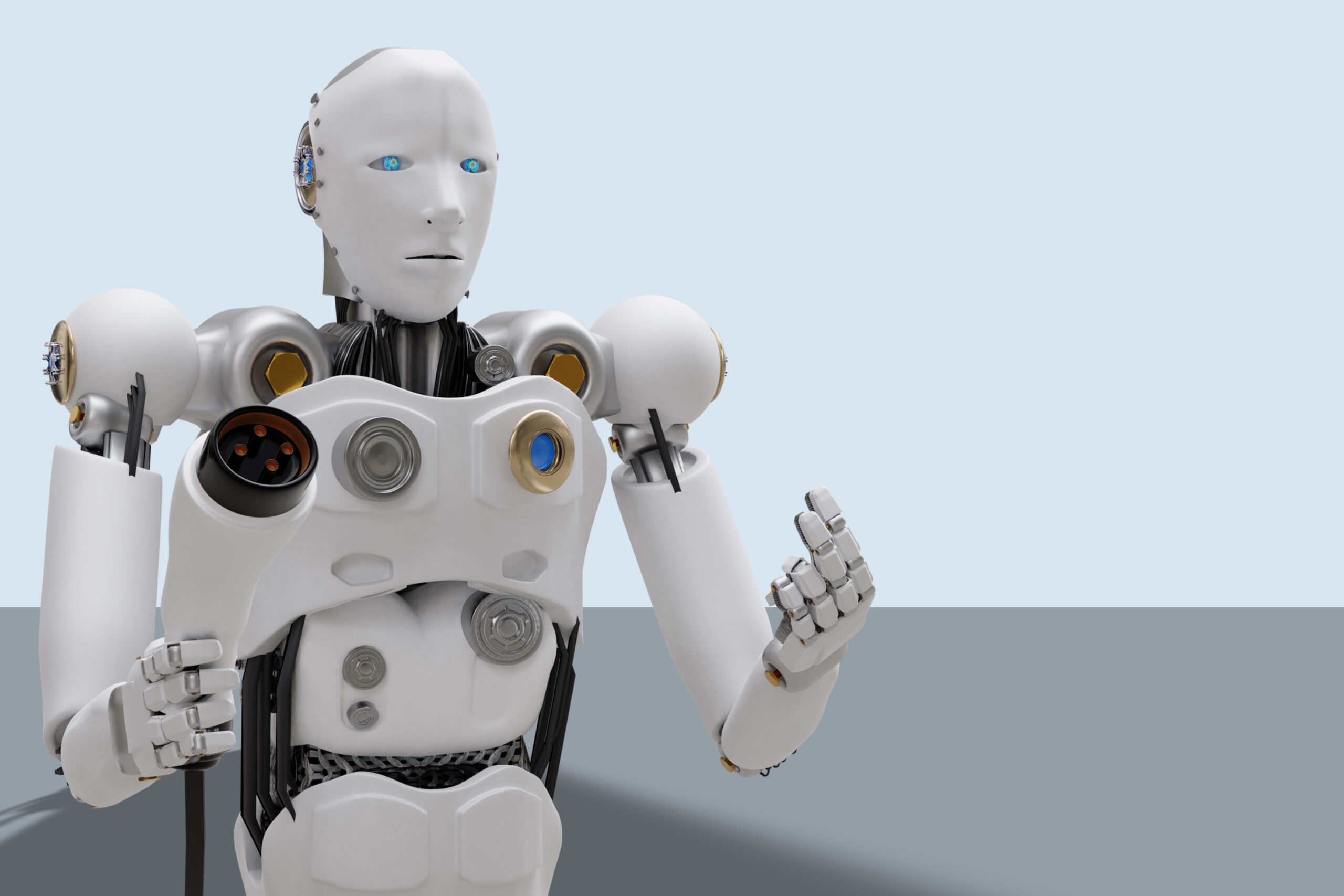
Although many may not have a clear picture of what an AI agent is, most may be subjected to some of their effects. Image: OATZ Animation, Vecteezy.
In our October article, “Fracking Time: The Difference Between Machine Time and Human Time, and Why We Should Be Concerned,” we explored the ideas of Professor Petar Popovski about how AI will experience time differently than humans, and how human understanding and interpretation of cause and effect happens on a much slower timescale. In cybersecurity, AI can accelerate both the discovery and exploitation of vulnerabilities and the development of defenses against them. However, as Santos’ research illustrates, although automated tools can help identify security weaknesses, their outputs still require critical human evaluation and verification, and there are great risks in letting AI coding turn into a black box outside of human understanding. As hacking moves increasingly toward machine speed, will our human capacity for oversight and control keep pace?
Craving more information? Check out these TQR articles
- Reverse Transcriptase: The Viral Enzyme Helping Scientists Rewrite DNA
- Is the Link Between Prediction Markets and Social Media Algorithms Another Form of Human Fracking?
- Engineered for Overconsumption: The Health Risks and Regulatory Battle Over Ultra-Processed Foods
- Personal Data Tracking Is Everywhere: Why Privacy Protection Remains Uneven
- The AI Boom is Drawing Public Opposition to Data Center Expansion and Burden on Local Resources
Enjoyed this? Help us improve.
Have we made any errors?
Spotted an error or want to contribute your expertise? We’d love to hear from you — reach us at info@thequantumrecord.com. The Quantum Record exists to bring researchers and curious minds together around science and technology that matters.